After helping travellers with Banff itineraries and consultations, I hear many of the same questions about where to stay, how to get around, when to book shuttles and which activities are worth including. These are the practical decisions that can make planning feel overwhelming.
Here are my answers to 20 common Banff travel questions, plus a few quick tips about canoeing, accessible activities, wildlife and other things people often forget to ask.
Listen to Episode 22 of The Banff Travel Podcast
3 Key Takeaways
- Decide on your must-sees before the logistics. Trip length, accommodation and transportation are easier to choose once you know which places you want to visit.
- Book high-demand shuttles and activities early. Moraine Lake shuttles, certain attractions and popular cruises need to be booked in advance
- Keep your daily plan realistic. Group activities by area, allow time for longer drives and hikes, and carry bear spray on the trails.
General Banff Trip Planning Questions
1. When Is the Best Time to Visit Banff?
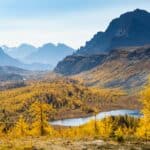
It depends on what you want to do. Summer is best for access to alpine hiking and turquoise lakes. Winter is great for skiing and other snow activities. Late September is my favourite for golden larches and fall colours, although the weather is less predictable.
Every season has trade-offs, so choose your dates around the activities that matter most to you, not just the photographs you’ve seen.
2. How Many Days Do You Need in Banff and Jasper?
I usually recommend 5–7 days for Banff alone, and 7–10 days if you also want to visit Jasper. With less time you can still have a great trip, but you’ll need to make choices.
If Jasper is part of the itinerary, remember that driving the Icefields Parkway is a full day. I recommend at least one night in Jasper, although two or more nights give you much better time to explore.
3. Should You Stay in Banff, Canmore, Lake Louise or Jasper?
The Town of Banff is central and convenient, especially if you don’t want to drive. Canmore is a little farther out but often has a broader choice of accommodation, including rentals with kitchens. Lake Louise is convenient for hiking in that area and can reduce driving on days focused on Yoho or the Icefields Parkway, but it’s also expensive.
You can easily explore Banff, Lake Louise and Yoho while staying in either Banff or Canmore. I wouldn’t waste time changing hotels repeatedly on a shorter trip. If you are visiting Jasper, plan at least one night in Jasper. Our where to stay in Banff guide helps compare the locations.
4. Do You Need a Rental Car in Banff?
A car gives you the most freedom, particularly for hikes, Kananaskis, Yoho and the Icefields Parkway. But you can have a great Banff trip without one by using Roam Transit, airport shuttles, Lake Louise and Moraine Lake shuttles, and occasional tours.
The best answer depends on the places you want to visit. I go through this in Episode 9: Do You Need a Car in Banff?.
5. How Do You Plan a Trip Covering Several National Parks?
Group activities by area. For example, set aside a Lake Louise and Moraine Lake day, a Town of Banff day, an Icefields Parkway day and additional days for Yoho, Kootenay or Jasper. Make your must-sees the priority and add optional stops only if you have time.
This avoids spending half your holiday driving back and forth across the same stretches of highway.
Moraine Lake, Shuttles and Public Transportation
6. How Do You Get to Moraine Lake?
Most visitors need a Parks Canada shuttle, Roam Transit reservable super pass, or other commercial shuttle or tour. Private vehicles cannot access Moraine Lake Road unless you are guests of the Moraine Lake Lodge. See our Moraine Lake shuttle guide for the best shuttles options.
7. Do You Have to Book Parks Canada Shuttles Ahead?
Yes. The main seasonal reservation release has traditionally been in April, and the popular departures can fill quickly. Parks Canada also releases a portion of the tickets on a rolling basis 48 hours in advance throughout the season, but I wouldn’t depend on those if Moraine Lake is a must-see on your only available day.
8. What If the Moraine Lake Shuttle Is Sold Out?
Check commercial shuttle operators such as Canmore Travel, Moraine Lake Bus Company, Via Via Moraine and Fairview Limo, or consider a full-day tour with companies such as Explore Banff Tours or Radventures. Compare departure locations and how much time you’ll actually have at the lake, particularly if you’re hiking.
9. Can You Park at Lake Louise and Take the Shuttle to Moraine Lake?
Not with the regular Parks Canada shuttles. Those depart from the Lake Louise Ski Resort park-and-ride, rather than the lakeshore parking lot. The Alpine Start shuttle is the only one that leaves from the Lake Louise lakeshore parking lot with two early departures (4am and 5am).
10. Is There Public Transit to Lake Louise or Jasper?
Roam Transit connects Banff with Lake Louise, with routes and frequency depending on the season. There isn’t a comparable regular Roam bus to Jasper. For Jasper, you’ll need a car, a tour or a transfer service such as SunDog Tours.
Hiking and Outdoor Activities
11. What Are Good Easy Hikes for Families and Beginners?
I recommend Johnston Canyon, Tunnel Mountain, Johnson Lake, Stewart Canyon, and Grassi Lakes in Canmore. They give you different types of scenery and are manageable choices for many visitors. See our easy hikes in Banff guide.
12. Which Hikes Would You Recommend for Experienced Hikers?
From Lake Louise, consider Lake Agnes and the Big Beehive or the Plain of Six Glaciers. From Moraine Lake, Larch Valley is beautiful, with possible extensions to Sentinel Pass or, for a longer day, Eiffel Lake and Wenkchemna Pass.
In other parks, I’d also consider Iceline in Yoho and Stanley Glacier in Kootenay. Kananaskis has many excellent hikes if you’re spending time outside Banff National Park.
13. Where Can You See Wildflowers or Golden Larches?
For wildflowers, around mid-July is the best time. Parker Ridge, Healy Pass and Helen Lake are good wildflower hikes to consider. You may see flowers on plenty of other trails too, although not all of them have big alpine meadows.
For larches, try Larch Valley in late September or Ptarmigan Cirque in Kananaskis for a less strenuous option. Our Banff larch hiking guide has more choices.
14. Should You Carry Bear Spray Even on Easy Hikes?
Yes. Bears can appear on easy trails as well as remote hikes. Carry bear spray where you can reach it quickly, know how to use it and hike in groups when possible. Don’t assume a short trail near town means there is no wildlife risk.
15. Can You Bike the Bow Valley Parkway or Moraine Lake Road?
Yes, but the experiences are quite different. The Bow Valley Parkway is my favourite when the eastern section is closed to vehicles during the designated spring and fall cycling periods.
You can also bike Moraine Lake Road, but when shuttle traffic is operating, you’ll be riding on a narrow road with little shoulder. I prefer to ride it before the road is open to shuttles. This typically happens the very last week of May. Bring bear spray on either ride.
Banff Weather and Seasonal Conditions
16. What Weather Should You Expect in Banff?
Mountain weather changes quickly in every season. Even in summer, higher-elevation trails can be cold or snowy. Bring layers you can adjust, a waterproof outer layer and warm clothing for early mornings or alpine excursions.
17. Are Lakes and Hiking Trails Still Frozen in May or June?
Many high-elevation lakes remain frozen into June. Lower lakes near Banff, such as Johnson Lake, Two Jack Lake and Lake Minnewanka, generally thaw earlier.
Expect mud, lingering snow and occasional ice on trails in spring. Check avalanche hazards before heading onto snowy terrain rather than assuming that a popular summer hiking trail is safe.
Banff Attractions and Trip Logistics
18. How Much Time Should You Allow at Lake Louise and Moraine Lake?
Allow roughly 2–4 hours at each lake if you want more than a quick viewpoint stop, with even more time for bigger hikes. The right amount depends on whether you’re walking along the shore, renting a canoe or heading toward a tea house or alpine pass. I explain the options in Episode 10: How Much Time Do You Need at Lake Louise and Moraine Lake?.
19. Which Cruise Would You Choose: Lake Minnewanka or Maligne Lake?
If I could only do one, I’d choose the Maligne Lake cruise. I love the views and the opportunity to get off near Spirit Island for a short walk. The Lake Minnewanka cruise is still excellent, particularly for the interesting local history and themed cruises such as Junior Explorer or beer cruises.
Both are seasonal activities, and I recommend booking ahead during busy months. Here’s our Maligne Lake cruise review.
20. Is the Columbia Icefield Adventure Worth It?
It is a popular, tourist-oriented experience, but many visitors love riding onto the Athabasca Glacier. Alternatives include Ice Odyssey, which offers a different smaller-group experience, or a guided glacier hike if you’re looking for something more active and less touristy.
Allow around 3 to 3.5 hours for the Columbia Icefield Adventure and factor in the driving time and stops you want to make along the Icefields Parkway before and after the tour.
More Quick Answers for Your Banff Trip
- What should you book ahead? Popular attractions such as the Banff Gondola and Columbia Icefield activities, plus some restaurants in peak summer season.
- Are there accessible sightseeing options? Banff Avenue, scenic drives, a Lake Minnewanka cruise and the wide lakeshore path at Lake Louise are worth considering, with accessibility varying by attraction.
- Can you walk from the Lake Louise campground to the lake? Yes, there are trails, but carry bear spray.
- Can you bring a paddleboard? Yes, where permitted, but follow watercraft clean-drain-dry requirements and carry a personal flotation device.
- Where can you pick up a picnic lunch? Grocery stores in Banff or Canmore, JK Bakery in Canmore, or Trailhead Café in Lake Louise are options.
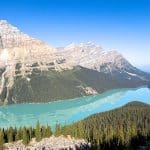
- Where can you find a quieter lake? Bow, Peyto, Minnewanka and Emerald Lake can also be crowded. Hikes to less accessible lakes are often quieter.
- Are there bathrooms at trailheads? Many major trailheads have them; some smaller ones don’t.
- Can you swim in the lakes? Swimming is allowed in some locations, but the water is very cold. Johnson Lake is one of the better options.
- Which gondola should you choose? Banff for views and dining, Sunshine for alpine hiking, Norquay for a quieter visit, or Lake Louise to pair with activities in that area. I compare them in Episode 7 comparing the Banff gondolas.
- What are canoeing alternatives? Emerald Lake is another scenic option, while Banff Canoe Club offers rentals near the Town of Banff.
- Where might you see wildlife? The Bow Valley Parkway, Icefields Parkway, Lake Minnewanka Scenic Drive and the Jasper area are good places to watch, without any guarantee of sightings.
- Do you need cash? Cards are widely accepted, but carry some cash for tea houses and tips. Card payment at tea houses isn’t always reliable.
The biggest planning tip behind all these answers is to choose your priorities first. Once you know which hikes, lakes and experiences matter most, transportation and accommodation decisions become much easier.
Helpful Links & Resources Mentioned in This Episode
- Where to Stay in the Canadian Rockies
- Moraine Lake Shuttles
- Easy Hikes in Banff National Park
- Maligne Lake Cruise Review: Everything You Need to Know Before You Go
Need Help Planning Your Banff Trip?
If these questions sound familiar and you want an easier way to organize your trip, my Banff & Jasper Planning Hub includes ready-made itineraries, maps and planning support.